
Full Mouth Restorations -- Moses Lake, WA
Enjoy a Beautiful and Functional Smile
Your teeth are essential for more than just a beautiful smile. They also allow you to perform necessary oral functions, like chewing and speaking. Although your teeth can serve you for a lifetime, they can be damaged or compromised over the years. In some cases, you might even lose a tooth or two. In addition to lowering your self-esteem, your less than perfect smile can affect your quality of life and your oral health. Thankfully, you don’t need to live with the results. Whether from genetics, trauma, or poor oral hygiene, we can rehabilitate your smile with full mouth restorations in Moses Lake.

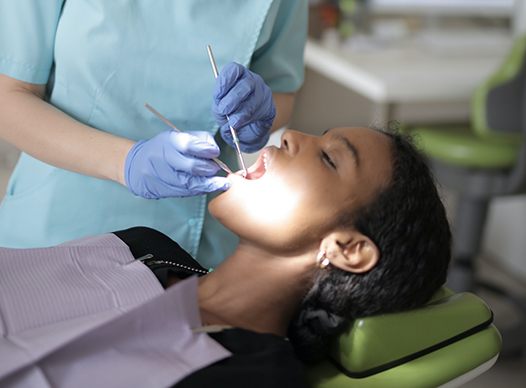
What are Full Mouth Restorations?
Also called full mouth reconstruction, a combination of restorative and cosmetic procedures are used to restore, replace, or enhance imperfect teeth. Customized treatments are used to improve the relationship between the upper and lower teeth to promote proper oral functions. Using the latest advancements in dentistry, your dentist in Moses Lake is also able to revamp the aesthetics of your smile simultaneously. Overall, you’ll enjoy a healthy, functional, and beautiful smile to invest in your quality of life using 1 or more procedures, such as:
- Dental bridges
- Fillings, crowns, inlays, or onlays
- Dental implants
- Porcelain veneers
- Dental bonding
- Orthodontics
- Tooth extractions
- Root canal therapy
- Periodontal therapy
Who is a Candidate for Full Mouth Restorations?
If you have multiple issues affecting your oral health or your daily life, you might be a candidate for full mouth restorations. The treatment is often recommended for patients with:
- Severely decayed teeth
- Broken, chipped, or fractured teeth
- Ectodermal dysplasia
- Enamel hypoplasia
- Missing teeth
- Significant alignment issues
- Damage caused by trauma or injury
- Advanced periodontal disease
- Chewing or bite problems
- Jaw pain
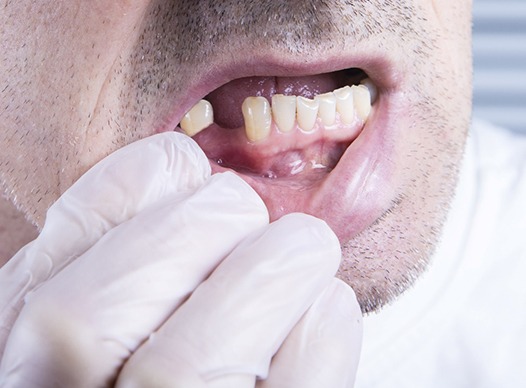
You’ll need an initial consultation to evaluate your oral health needs and your concerns to transform your teeth and self-esteem. We’ll create a customized treatment plan and explain the process to feel confident in the decisions you’re making for your smile.

What is the Process for Full Mouth Restorations?
First, you’ll need an initial consultation to ensure full mouth reconstruction is right for you. Next, you’ll begin your personalized treatment plan, which is unique to meet your specific needs. We’ll explain each step in your phased plan and how long each procedure will take to complete. Depending on your individual needs, your transformation process may only take 1-2 appointments, or it might take several months based on the complexity of your needs and your goals.
How Can I Get Started?
If you’re ready to invest in your smile and your quality of life, your first step is to see if you’re a candidate for full mouth reconstruction. We’ll explain your treatment plan and your payment options during your initial consultation. Our office offers several options to keep your new smile affordable, like using your dental insurance or third-party financing.
Take your first step toward a better smile. Contact our office today to schedule your consultation for full mouth restorations.
Full-Mouth Reconstruction FAQs
Are you interested in attaining a healthy, more confident smile? A full-mouth reconstruction in Moses Lake can be a great way to do just that, especially if you have several teeth that are severely damaged or missing altogether. However, you should be well-informed of what the process will entail before moving forward. To make your research easier, we’ve taken the time to answer some frequently asked questions about full-mouth reconstruction below.
Read More
How Long Will My Full-Mouth Reconstruction Results Last?
Since each full-mouth reconstruction is different, the longevity of your results will also vary compared to that of most other patients. However, one thing remains true for all patients: your results will last longer the better you care for your smile.
In addition to following the traditional best practices for dental care (six-month checkups, twice-a-day brushing, daily flossing, etc.), you can extend the lifespan of your full-mouth reconstruction results by:
- Staying away from foods that could chip or fracture your teeth, such as peanut brittle.
- Consuming darkly pigmented foods and beverages in moderation, as they could stain your teeth.
- Quit harmful oral habits, such as smoking, chewing on ice, and opening bottles with your teeth.
Can I Get a Full Mouth Reconstruction If I Smoke?
Your cosmetic dentist in Moses Lake determines eligibility for a full-mouth reconstruction on a case-by-case basis, so there’s no universal answer to this question. Although smoking doesn’t necessarily disqualify you from the treatment, Dr. Nick Smith will ask you to avoid all tobacco products for several weeks before and after any of your procedures. He does this because tobacco has been shown to inhibit healing in the mouth, which can lead to a higher risk of complications, such as dental implant failure.
If you’ve previously struggled with quitting tobacco, we encourage you to reach out to your primary care physician before getting a full-mouth reconstruction. They can help you kick the habit.
Does Getting a Full-Mouth Reconstruction Hurt?
One of our top priorities at Moses Lake Family Dentistry is to provide our patients with a stress-free, comfortable experience every step of the way. We take several measures to minimize any discomfort associated with your treatment. For example, local anesthetic can numb your mouth before certain procedures like fillings. We also offer nitrous oxide sedation, which suppresses your brain’s pain receptors in addition to alleviating anxiety.
Some residual discomfort is to be expected following your full-mouth reconstruction, though. The degree of soreness may vary depending on the specific procedures, but our team will provide you with all of the aftercare guidelines you need to make a fast, smooth recovery.
Will People Be Able to Tell That I Had a Full Mouth Reconstruction?
Dental techniques and technologies have come a long way, making today’s full-mouth reconstructions impressively lifelike in the way they look, feel, and function. Of course, the degree to which your treatment will be noticeable depends on the changes you want to make. For instance, it’s possible to get a couple of dental crowns and whitening treatments to upgrade your smile without making a huge transformation. On the other hand, placing several veneers can potentially create some dramatic results. Feel free to let Dr. Nick Smith know how subtle or dramatic you want your results to be.
Dental Crowns FAQs
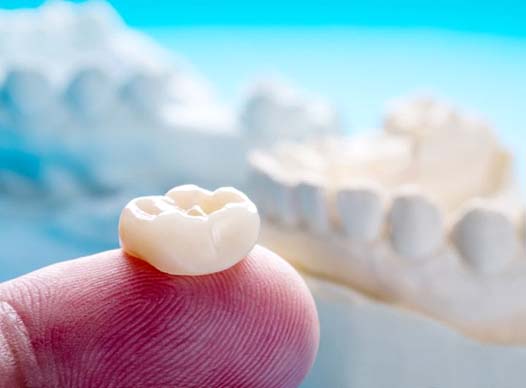
As one of the most versatile treatments in the field of dentistry, dental crowns are also incredibly common. Chances are high that someone you know has at least one crown. That being said, you probably still have some questions before you commit to the treatment. Dr. Nick Smith will be sure to teach you all that you need to know when you visit him, but until then, we encourage you to read through this list of dental crown FAQs.
Read More
Are Dental Crowns Permanent?
Technically, dental crowns in Moses Lake are not permanent, but they can protect your tooth for an average of 15 years or longer, provided you take good care of them. However, the process of preparing your tooth for the crown is irreversible – it involves removing a very small amount of enamel from your tooth, which does not grow back. From that point on, the tooth will always need some sort of restoration over it for protection. Keep in mind, though, that the crown should help the damaged underlying tooth avoid damage and help it last for much longer than it may have otherwise.
Does It Hurt to Get a Dental Crown?
When preparing your tooth for a dental crown, the first step is always to numb your mouth with a local anesthetic. Dr. Nick Smith will make sure you can’t feel a thing and that you’re fully comfortable before he begins. If you need a bit of help relaxing, or if you have difficulty getting numb, we may offer nitrous oxide sedation to make things easier for you.
After getting a dental crown, you may experience mild soreness or sensitivity in that tooth, but it should only last for a few days. During this period, feel free to take over-the-counter pain medications as directed by your doctor. Definitely give us a call if you experience pain that worsens instead of subsiding.
Do Dental Crowns Feel Natural?
What Happens If You Wait Too Long to Get a Dental Crown?
Generally, Dr. Nick Smith will only recommend a crown if a tooth really needs it and can’t be repaired with more conservative methods. While you might be tempted to avoid scheduling the crown procedure, especially if the tooth isn’t bothering you, it’s better in the long run to get it taken care of sooner rather than later. If you were to wait too long, the tooth could sustain even more damage or decay. Eventually, the tooth might become so weak that it can’t support a crown; it may need root canal therapy or even an extraction! To preserve the tooth and help it stay as healthy as possible, we highly recommend scheduling your dental crown procedure soon after Dr. Nick Smith lets you know that you need one.
How Long Do Dental Crowns Last?
How Do You Know When a Dental Crown Needs to Be Replaced?
While only a qualified dentist such as Dr. Nick Smith can determine if your crown is ready for replacement, you may notice a few signs that say your appliance is near the end of its life. These include:
- Pain: If the tooth supporting your crown becomes decayed, the appliance will have to be removed and probably replaced so the infection can be treated.
- Instability: If your crown is moving around on your tooth, the cement holding it in place may be compromised and in need of repair.
- Degraded appearance: Your metal-free crown should help you maintain a beautiful smile, so cosmetic defects like stains and chips can be reason enough to have it replaced.
- Dark line: If you have an old-fashioned porcelain-fused-to-metal crown, it may start to show a black line around its base as the ceramic portion separates from the metal part due to age. This can be indicative of advanced wear that means your appliance needs replacement.
Do Dental Crowns Get Cavities?
While it’s impossible for dental crowns to develop cavities, the teeth supporting them can still become infected, and a crowned tooth is just as likely to suffer decay as an uncrowned one. This is most likely to happen due to poor oral hygiene habits that allow plaque and food debris to accumulate around the gumline and cause destructive dental infections. You can keep your restored teeth in great shape by brushing and flossing daily, using antibacterial mouthwash, limiting your sugar consumption, refraining from using your teeth as tools, and visiting our office in Moses Lake regularly for exams and cleanings.