
Dentures and Partials – Moses Lake, WA
A Full Row of Dazzling, Functioning Teeth

Why Choose Moses Lake Family Dentistry for Dentures and Partials?

Who’s a Good Candidate for Dentures?
Whether you’re missing one, several, or all of your pearly whites, nearly everyone is potentially eligible for dentures! These prosthetic teeth are customized for your unique smile, and the process starts with you visiting us here at Moses Lake Family Dentistry to determine if they’re a good solution for you. Even if you’re not a good candidate at first, we can help you restore the health of your smile to the point where dentures become a viable and effective answer.
Read More
Effects of Missing Teeth
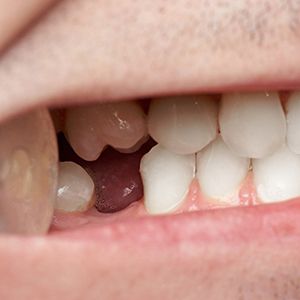
Even though it might not seem like a huge deal, especially if you’ve only lost one, having missing teeth can lead to some pretty serious problems. According to the American College of Prosthodontists, some of the most common causes of missing teeth are simply the result of poor oral hygiene that’s led to gum disease, dental decay, and other problems that can progress rapidly. All of these issues are problematic on their own, but when they lead to missing teeth, needless to say, your smile’s in trouble.
In fact, when you lose teeth, the jawbone can actually begin to shrink and deteriorate due to lack of stimulation. This will cause the bone tissue to weaken, further increasing the risk of tooth loss! Plus, without a root to promote a strong jawbone, you might also experience complications like facial sagging, difficulty eating, trouble with speech, and severely-lowered self-esteem!
What Qualifies You for Dentures?

Dentures are often a fantastic option for patients who’ve experienced significant or total tooth loss. These tried-and-true prosthetics have helped countless generations of dental patients to eat, speak, and smile with unmatched confidence. Those who receive dentures must commit to their dental health moving forward, but the results are well worth the diligence.
Even if you’re not sure about your eligibility for dentures, you should still schedule an appointment with us so that we can examine your smile and come up with a game plan. During your visit, we’ll determine which type of denture you’ll need (partial, full, or implant) based on the number of missing teeth you have, where they’re located, and the state of your oral health. As long as your gums and jawbone are both healthy, you’re likely eligible for treatment.
Alternative Tooth-Replacement Options
If dentures aren’t a suitable option for you, we’re happy to explore other tooth-replacement options with you, including dental bridges and dental implants. Here’s a little more about each:
- Dental bridges – These restorations are often best for patients who are only missing one or just a few teeth. However, they require healthy adjacent teeth surrounding the gap, in order to successfully support the bridge.
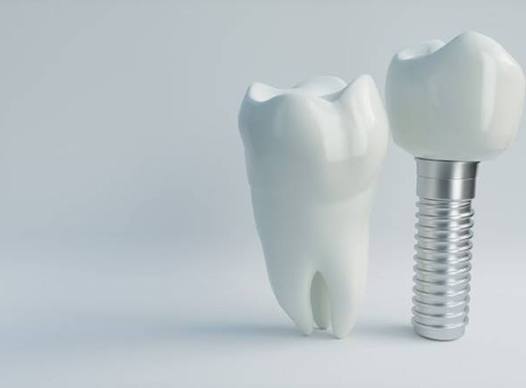
- Dental implants – These consist of titanium posts that are directly placed into your jawbone for outstanding support. That said, this option does require sufficient bone density and optimal oral health, but the beautiful results can last for a lifetime.

What are Dentures?
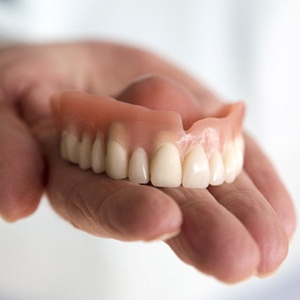
Dentures are probably the most well-known form of tooth replacement; they’ve been used for centuries, but thanks to modern technology and materials, they’re more comfortable and durable than ever. Depending on your needs, you may get:
- Full Dentures: An entire arch of false teeth rests on an acrylic gum-colored base that’s held in place by natural suction or an adhesive.
- Partials: Specially designed prosthetics designed to fit in your smile like a puzzle piece to replace your teeth in specific areas. They’re usually secured by a metal clasp.
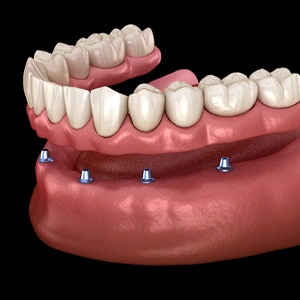
- Implant-Retained Dentures: Full or partial dentures that have been attached to titanium posts fused with your jawbone. These dentures won’t slip, and they’ll let you safely chew even tough foods such as steak.
The Process of Getting Dentures
In order to be able to precisely fit your dentures to your smile, our team at Moses Lake Family Dentistry will need to make sure it’s free of any lingering dental problems. This may require preliminary treatments, like gum disease therapy or tooth extractions. Only then can we craft your restoration to make sure it serves your needs and fits your mouth perfectly. Below, we’ve outlined what the process of crafting your dentures looks like.
Read More
What are Dentures Made Of?
- The Base: The foundation of every denture, or base, helps secure your replacement teeth atop your gumline. Typically, this part of your restoration is crafted from gum-colored material, like acrylic, that’s custom-tailored to fit comfortably over your gums. Dr. Nick Smith will make sure that the shade of the acrylic is virtually indistinguishable from your natural gums, helping them blend in.
- Artificial Teeth: Custom-crafted replacement teeth are fused to the base of the denture. These are typically made from materials like resin or porcelain, as they’re able to mimic the natural appearance of teeth. They’re also incredibly durable, allowing you to eat and speak with greater ease.
The Denture Creation Process
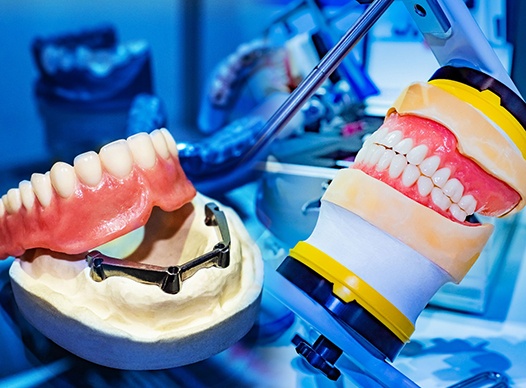
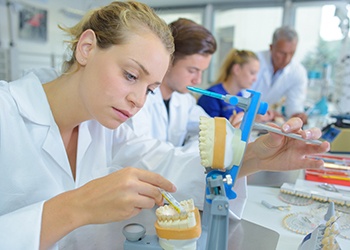
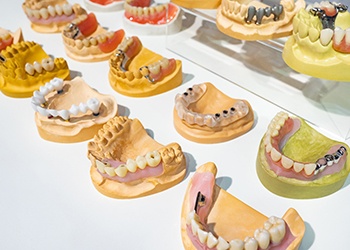
After Dr. Nick Smith captures impressions of your mouth and makes a model, our team will send those off to our dental laboratory to start the process of making your dentures. In order to get a beautiful, final result, they go through several steps:
- The model of your mouth is placed in a clamp that resembles the jaw, called an articulator.
- There, the laboratory technician will craft a wax model that resembles your teeth and gums.
- The wax model of your dentures will be secured in a plaster mold press, called a flask. Once the plaster is set, hot water will be used to melt the wax away, leaving only the plaster.
- Once the plaster mold is removed, only leaving the acrylic, the dentures will be placed in an ultrasonic bath to remove any lingering debris.
- Finally, the dental lab technician will polish, texturize, and complete any finishing, detailed touches to your dentures.
- From here, the dentures are returned to our office where our team will check their fit, appearance, and have you try them on.
Adjusting to Your New Dentures

The Benefits of Dentures
When you’re gone without a complete smile, getting dentures can be a truly life-changing improvement in so many ways. From being easy to clean to making everyday functions simpler, dentures are certainly worth the time, effort, and investment. Both in the short term and in the future, having the benefits of properly fitting dentures can help you live how you want.

Read More
Psychological Benefits
Clearer Enunciation
Improves Nutrition
Preserves Oral Health
Your facial muscles depend on your jaw and teeth to stay strong. Without exercise and use, these muscles can atrophy, but dentures give your facial muscles necessary support.
Starting the moment you lose a tooth, the jawbone tissue starts to weaken. Over time, it shrinks, which is why so many without teeth have a sunken look. On the other hand, when dentures are secured to long-lasting dental implants, your prosthetic teeth are much more stable. That’s because they are embedded in the jawbone, keeping it strong and healthy.
Expands Opportunities

Understanding the Cost of Dentures
Everyone deserves to have a beautiful, functional smile; however, it’s normal to be concerned about the cost of dentures in Moses Lake, but you don’t have anything to fear. There isn’t a set fee for dentures because various factors influence their cost, like the number of teeth you’re replacing. We offer the affordable solutions you need to invest in a comfortable, natural-looking denture to restore your self-esteem and quality of life.
Read More
Factors that Affect the Cost of Dentures
Every patient’s needs and mouth are unique, which is why there isn’t a pre-determined fee for dentures. We don’t use cookie-cutter treatment plans. Instead, many factors are considered when determining the price for your new smile, including:
- Any additional procedures, like tooth extractions or periodontal therapy.
- Severity of tooth loss.
- Materials used to make your denture.
Although everyone likes to save money, you shouldn’t focus on the cheapest price when designing your dentures. While they might cost more, high-quality materials last longer, look better, and feel great. Your denture dentist in Moses Lake will explain your options and provide you with an estimate, so you’ll know exactly what you need to pay before getting started. They’ll help you make the best choice for aesthetics, durability, and comfort.
Are Implant Dentures More Expensive?
Does Dental Insurance Cover Dentures?
Other Options for Making Dentures Affordable

Besides using your dental insurance for dentures in Moses Lake, we offer multiple payment options for any out-of-pocket cost, including:
- Traditional Payment Methods: We accept all forms of traditional payment, including cash, check, and most major credit cards.
- Third-Party Financing: After your credit is approved, you’re given the funds for your new teeth, which you’ll repay using a flexible plan.
Dentures Aftercare
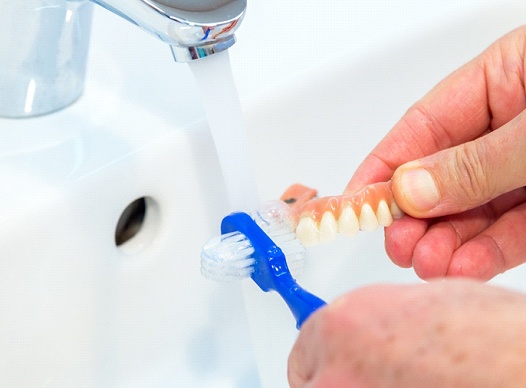
Dentures don’t last forever, but if you want to get the most out of them, it’s important to keep them fresh and healthy with a few simple steps. Ideally, you should also clean your tongue, cheeks, and the roof of your mouth while your dentures have been removed. If you have traditional prosthetics, remember to take them out at night to give your gums a rest while you sleep. These are only a few things to consider, but read on to learn several tips on caring for your brand-new dentures.
Read More
Removable Dentures
Remove After Eating
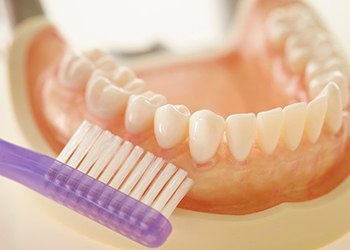
Once you’ve finished enjoying a meal, it’s important to take your prosthetics out and rinse them. Not only will this remove any debris and food particles from getting stuck on them, but it will also prevent the accumulation of bacteria and plaque. Avoid using hot water, as this can easily warp your dentures to the point where they won’t fit properly.
Clean Your Prosthetics
To clean your new teeth, be sure to remove them first. With a soft-bristled toothbrush and mild dish soap, clean the artificial teeth and underneath the gum-colored base, which is where bacteria can easily gather. Avoid using toothpaste, which can generally be too abrasive for your dentures. If you aren’t going to wear your prosthetics immediately after, store them in a safe container of water or denture cleanser to keep them moist. If you are going to wear them again, rinse them thoroughly to avoid getting cleaning products in your mouth.
Keep Your Dentures Safe
While you’re rinsing and brushing your dentures, make sure to place a soft towel or some cushion underneath them. This can help you prevent any damage in case they accidentally slip from your hands and fall. Also, be sure to keep them out of reach of small children and pets.
Remove Dentures When You Sleep
You’ll typically wear your dentures for the first 24 hours after getting them. Then, you should remove them every night before bed. This will allow your gums to receive the nutrients they need to remain strong and healthy. Wearing your dentures on for too long can end up restricting circulation to your gums and lead to irritation. Those who wear their prosthetics overnight also have a higher risk of pneumonia. Instead, keep your dentures safe in a glass cup of water or denture-cleansing solution to keep them bacteria-free until you wear them again.
Notice Changes
Dentures FAQs
Dentures in Moses Lake are a classic way of replacing missing teeth. Whether you’ve lost just a few pearly whites or a whole mouthful, there’s a denture solution out there for you. Additionally, today’s dentures are more lifelike and comfortable than ever before. However, you might still have a few concerns about the treatment. To help make things a little easier for you, we’ve included this section below with the answers to some frequently asked denture questions.

How Long Will My Dentures Last?
In most cases, a traditional denture will last between five and seven years. However, they’ll typically need to be repaired or relined every couple of years. When you have lost teeth, your jawbone naturally changes shape over the years, resulting in your carefully constructed dentures losing their snug fit.
Implant-retained dentures can last quite a bit longer. Dental implants forge a powerful bond with your jawbone, stimulating new bone growth and preventing the changes that would normally occur after tooth loss. Although the denture may need to be replaced every decade or so, the implants have the potential to last a lifetime.
How Much Do Dentures Cost?
There is no fixed cost of dentures. Their price is determined by several variables, some of which include:
- How many teeth you want to replace
- Whether you need to get teeth extracted before placing dentures
- Whether you’re supporting your denture with dental implants
- How much coverage your insurance company offers
Fortunately, the majority of dental insurance plans cover most, if not all, of the cost of dentures. However, they don’t usually cover dental implants. If you still need help paying for your new smile, our team can help you apply for a loan through CareCredit. This will let you take out a low-interest loan that can fit into practically anyone’s budget.
Do I Still Need to Schedule Dental Checkups If I Have Dentures?
Yes! Even if you have lost all of your original teeth, you should still see your dentist in Moses Lake at least twice a year for a checkup. While dentures are cavity-proof, your gums are still vulnerable to infection. Not only are gum infections painful, but they could compromise dental implants if you have them. If you have a partial, you could still develop cavities in your remaining teeth. During these appointments, Dr. Nick Smith can evaluate your mouth and stop any potential oral health problems in their tracks.
How Do I Get Used to Eating While Wearing Dentures?
It may take a few weeks to grow accustomed to eating with dentures. In the beginning, try cutting your food into tiny, bite-sized chunks to make it easier to chew. To prevent your dentures from coming loose, apply even chewing force with both sides of your mouth. Applying a little bit of denture adhesive may also help to keep them in place.
Can I Sleep with My Dentures Inserted?
Many patients wonder if it’s easier and simpler to sleep with their dentures in their mouths rather than remove them overnight. While this might be safe to do every now and then, it’s typically not recommended.
Your dentures rely on a firm suction against your connective tissues to stay put, which reduces the circulation to your gums. This can cause sores to develop and increases the risk of developing infections, like periodontal problems or upper respiratory tract issues. It’s best to take your restoration out of your mouth and leave it to soak in water or a special cleaning solution overnight.
What Qualifies Patients for Dentures?
There are three types of dentures, and not everyone is a good candidate for each potential solution. Before proceeding, you must consult Dr. Nick Smith so he can examine your current condition and recommend an appropriate solution.
For instance, if you’re missing most or all of your natural teeth, he’ll likely recommend a full restoration, but will need to treat any pre-existing gum disease so you can wear them comfortably. If you’re only missing a few teeth, he might suggest a partial set, and those wanting a more permanent solution might be considered good candidates for implant dentures.
What is the Average Age for Dentures?
Many people tend to associate tooth loss with aging because it is more likely to occur as you grow older. For example, sources estimate that about 33% of adults between 20 and 39 years old are missing at least one tooth, while nearly 66% of those who are 40 to 64 years old can say the same.
However, that doesn’t mean that younger people are excluded from this treatment. Tooth loss can be caused by issues like advanced periodontal disease, severe damage or decay, or physical trauma that can potentially impact people at any point in their lives.
Is it Hard to Talk with Dentures?
Are you curious whether wearing dentures causes speech impediments? It often takes about a month for your mouth to acclimate to its presence, and it’s normal to experience some temporary alterations to your speech patterns during that time.
You might notice a lisp or a slur, especially when trying to pronounce certain challenging sounds, like “s”, “v” or “th”. Thankfully, this effect is usually temporary and resoles itself when your tongue and other tissues acclimate to the dimensions and presence of your new teeth. You can ease this transition by practicing speak or reading out loud to yourself at home so you can rehears troublesome words until you feel more confident in your enunciation.