
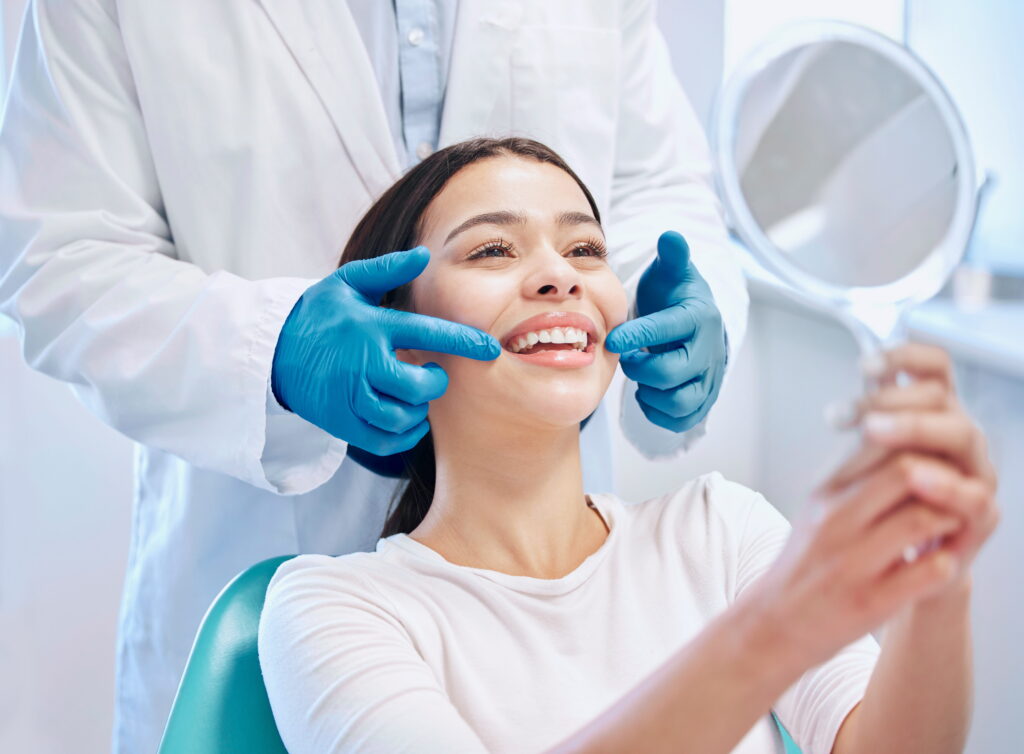
A brighter smile has become one of the most requested dental enhancements in modern dentistry. Patients of all ages are looking for ways to improve their appearance, boost confidence, and feel more comfortable in both personal and professional settings. At Moses Lake Family Dentistry, patients often ask an important and very reasonable question before moving forward: is teeth whitening actually safe?
The short answer is yes, when performed correctly and under professional guidance, teeth whitening is a safe and effective way to enhance your smile. The longer answer involves understanding how whitening works, what causes discoloration, and what factors determine whether it is right for you.
This guide will walk through the most common questions patients ask about whitening, with clear, patient-focused explanations to help you make an informed decision.
Why Teeth Whitening Is So Popular
Teeth whitening has grown in popularity because it delivers noticeable results in a relatively short amount of time. Unlike more complex dental procedures, whitening is non-invasive, does not require altering the structure of your teeth, and can dramatically improve your smile.
Patients often choose whitening because it directly impacts how they feel about their appearance. A brighter smile is associated with health, youth, and vitality. In many cases, whitening is the first step patients take before considering additional cosmetic improvements.
In a community like Moses Lake, where patients value both practicality and results, whitening offers an accessible way to refresh your smile without committing to extensive dental work.
What Causes Teeth to Become Stained
To understand whitening, it helps to first understand why teeth change color over time. Tooth discoloration is a natural process and can happen for several reasons.
External stains develop on the surface of the enamel. These are commonly caused by coffee, tea, red wine, tobacco use, and certain foods with strong pigments. Over time, these substances leave behind color particles that gradually dull the brightness of your teeth.
Internal discoloration occurs beneath the enamel and is often related to aging, trauma, certain medications, or excessive fluoride exposure during tooth development. As enamel naturally thins with age, the underlying dentin becomes more visible, giving teeth a darker or more yellow appearance.
Most patients experience a combination of both types of staining, which is why whitening treatments are designed to address discoloration at multiple levels.
How Professional Teeth Whitening Works
Understanding how professional teeth whitening works can help clarify why it is both effective and safe. In a dental office setting, whitening treatments use carefully controlled concentrations of whitening agents, most commonly hydrogen peroxide or carbamide peroxide.
These ingredients penetrate the enamel and break down stain molecules within the tooth. Instead of simply removing surface stains, professional whitening changes the internal color structure of the tooth by breaking apart the compounds that cause discoloration.
At Moses Lake Family Dentistry, whitening treatments are tailored to each patient. This includes evaluating your oral health, identifying the type of staining present, and selecting the appropriate strength and method for treatment.
In-office whitening procedures can often produce noticeable results in a single visit, while take-home systems provide gradual improvement over a period of days or weeks under professional supervision.
How Whitening Treatments Remove Stains
Many patients assume whitening works like a polish, but the process is more advanced. Whitening agents trigger a chemical reaction that releases oxygen molecules. These molecules interact with stain compounds inside the tooth, breaking them into smaller, less visible particles.
As these particles become smaller, the tooth appears lighter and brighter. This process does not remove enamel or damage the tooth structure when used correctly. Instead, it works within the existing structure of the tooth to improve its appearance.
This is one of the key reasons professional whitening is considered safe. The treatment is designed to enhance your natural tooth color without compromising its integrity.
Is Teeth Whitening Safe for Your Enamel?
One of the most common concerns patients have is whether whitening can damage enamel. Enamel is the outer protective layer of your teeth, and preserving it is essential for long-term oral health.
When performed under the supervision of a dental professional, whitening does not harm enamel. The products used are specifically formulated to be both effective and safe, and they are applied in controlled conditions to minimize risk.
Problems can arise when patients overuse over-the-counter products or use them incorrectly. Excessive or unsupervised use can lead to irritation of the gums or temporary sensitivity, but even in these cases, permanent damage to enamel is rare.
A professional evaluation before whitening ensures that your teeth and gums are healthy and that the treatment is appropriate for your specific needs. This step is essential in maintaining both safety and results.
Will Teeth Whitening Cause Sensitivity?
Sensitivity is one of the most frequently discussed side effects of teeth whitening. Some patients experience temporary sensitivity during or after treatment, especially when consuming hot or cold foods and beverages.
This occurs because whitening agents temporarily open the microscopic pores in the enamel, allowing the active ingredients to penetrate and break down stains. During this process, the inner layers of the tooth can become more responsive to temperature changes.
The good news is that this sensitivity is usually mild and short-lived. It typically resolves within a few days after treatment. Dental professionals can also take steps to reduce sensitivity, such as adjusting the strength of the whitening agent, shortening treatment time, or recommending desensitizing products.
Patients with a history of sensitivity should discuss their concerns with their dentist before beginning treatment. A customized approach can make the experience more comfortable while still achieving excellent results.
Who Is a Good Candidate for Teeth Whitening?
Not every patient is an ideal candidate for whitening, which is why a professional evaluation is so important. In general, patients with healthy teeth and gums and mild to moderate staining tend to see the best results.
Whitening is most effective on natural tooth enamel. It does not change the color of crowns, veneers, or fillings, so patients with extensive dental restorations may need alternative solutions to achieve a uniform appearance.
Patients who are pregnant, have untreated cavities, or suffer from significant gum disease may be advised to postpone whitening until their oral health is stabilized.
Age can also play a role. Younger patients often respond well to whitening because their enamel is thicker, while older patients may have deeper staining that requires a more comprehensive approach.
A consultation with a Dentist in Moses Lake can help determine whether whitening is the right choice for your goals and oral health condition.
How Long Do Whitening Results Last?
Another common question is how long whitening results will last. The answer varies depending on lifestyle habits, oral hygiene, and the type of whitening treatment used.
For many patients, results can last anywhere from several months to a few years. Patients who avoid stain-causing foods and beverages, practice good oral hygiene, and attend regular dental cleanings tend to maintain their results longer.
Touch-up treatments can help extend the effects of whitening. These may be done at home using custom trays or periodically in the dental office.
It is important to understand that whitening is not permanent, but it is easily maintained with proper care and occasional follow-up treatments.
Tips to Maintain Your Whiter Smile After Treatment
Maintaining your results is just as important as the whitening treatment itself. After investing in your smile, small daily habits can make a significant difference in how long your results last.
Good oral hygiene is the foundation. Brushing twice a day, flossing daily, and using a dentist-recommended toothpaste can help prevent new stains from forming.
Dietary choices also play a role. Limiting coffee, tea, red wine, and highly pigmented foods can reduce the likelihood of staining. When you do consume these items, rinsing your mouth with water afterward can help minimize their impact.
Regular dental visits are essential. Professional cleanings remove surface stains and help maintain the brightness of your smile over time.
Patients who want to preserve their results may also benefit from occasional touch-up treatments. These are typically quick and convenient and can help keep your smile looking fresh.
Teeth Whitening in Moses Lake, WA
For patients considering Teeth Whitening in Moses Lake, WA, choosing a trusted dental provider is key to achieving safe and satisfying results. Professional whitening offers a level of customization, effectiveness, and safety that over-the-counter products cannot match.
At Moses Lake Family Dentistry, whitening treatments are designed with the individual patient in mind. From the initial consultation to the final results, the focus is on comfort, safety, and achieving a natural-looking improvement.
Patients often find that whitening is not just about improving appearance, but about feeling more confident in everyday interactions. Whether you are preparing for a special event or simply want to refresh your smile, professional whitening can be a valuable part of your dental care plan.
Thoughtful Considerations Before You Begin
Before starting any whitening treatment, it is important to have a clear understanding of your goals and expectations. Whitening can significantly enhance your smile, but it works best when combined with a healthy foundation.
Your dentist will evaluate your oral health, discuss your desired outcome, and recommend the most appropriate approach. This ensures that your treatment is both safe and effective.
Patients who take the time to understand the process and follow professional guidance tend to have the best experiences and the most satisfying results.
A brighter smile is within reach, and with the right approach, it can be achieved safely and confidently.