
Gum Disease Treatment – Moses Lake, WA
The End of Gum Disease Starts Here
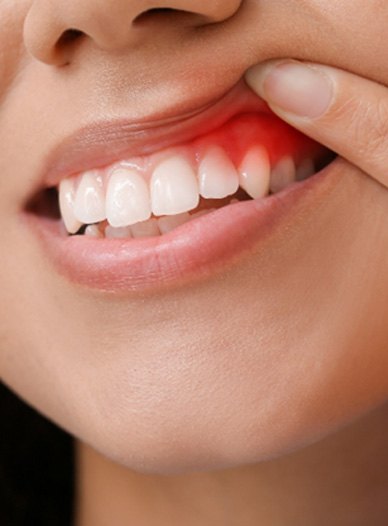
Why Choose Moses Lake Family Dentistry for Gum Disease Treatment?
What is Gum Disease?
Gum disease, also known as periodontal disease, is a bacterial infection that affects the tissues that support your teeth. It starts with plaque buildup along your gumline and can progress into deeper inflammation, eventually damaging your jawbone and even causing tooth loss if left untreated.
Gingivitis, the earliest stage, may only involve minor symptoms, but periodontitis requires more intensive care. At our Moses Lake dental office, Dr. Nick Smith uses gentle, effective methods to diagnose and treat this bothersome condition at any stage.
Symptoms of Gum Disease
But how do you know if you have gum disease? While the symptoms can often spread silently at first, here are some common things to watch for:
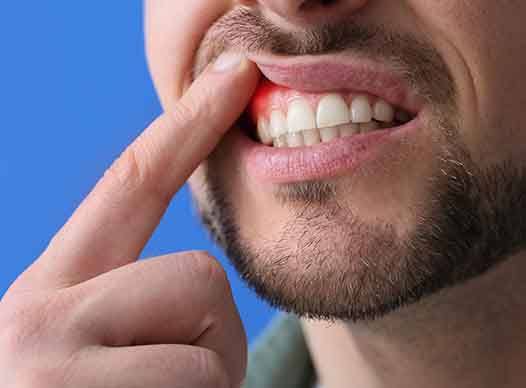
- Red, swollen, or bleeding gums, especially after brushing or flossing
- Persistent bad breath that doesn’t seem to go away
- Gums that pull away from your teeth
- Pain or sensitivity while chewing
- Loose or shifting teeth
If you notice one or more of these symptoms, don’t wait. By acting quickly, you’ll get the care you need to manage or eliminate your condition and prevent it from getting worse.

How Do We Treat Gum Disease?
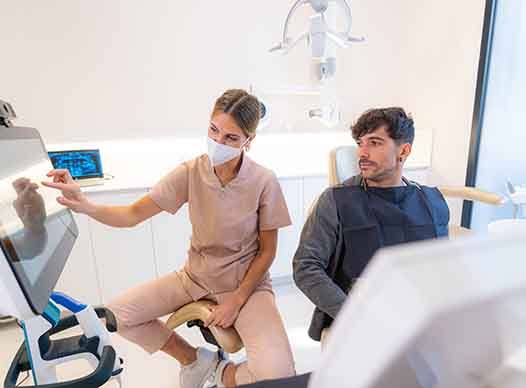
The first step to a healthy mouth at our Moses Lake practice is a consultation with Dr. Nick Smith. He’ll examine your teeth and gums thoroughly and create a treatment plan to get your mouth moving in the right direction. Depending on the severity of your gum disease, Dr. Nick Smith may recommend a combination of scaling and root planing and laser periodontal treatment.
Scaling & Root Planing
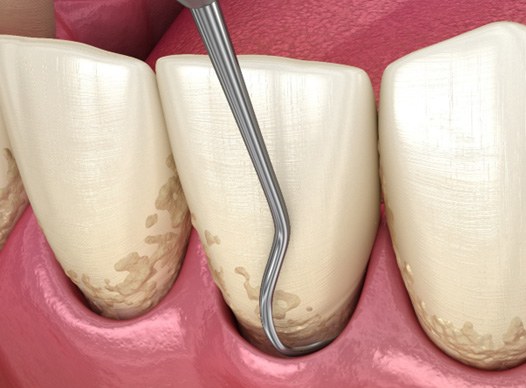
The earliest stage of gum disease can sometimes be reversed with good oral hygiene and a traditional dental cleaning. That said, these steps alone are not always enough to treat the infection. In many cases, we may need to perform a deep cleaning procedure, which is divided into two major steps: scaling and root planing.
Read More
Do I Need Scaling & Root Planing?
You might need scaling and root planing if you have mild to moderate gum disease. Some signs that this treatment may be required include:
- Swollen, puffy gums
- Red gums
- Gum recession
- Persistent bad breath
- Gums that bleed easily when you brush and floss
- Visible plaque buildup along the gumline
Dr. Nick Smith will thoroughly examine your mouth before determining whether you need scaling and root planing or if another treatment would be the best way to get your oral health back on track.
The Process of Scaling & Root Planing
Scaling and root planing may take one or more appointments. It consists of two main parts:
- Scaling is the process of removing harmful plaque and bacteria from your teeth and gums. We will specifically focus on the area around and below your gumline, and we will take the time to clean all the way down to the bottom of any pockets that have formed between your teeth and gums.
- After scaling comes root planing, which involves smoothing out the roots of the teeth. Bacteria have a harder time accumulating on smooth surfaces, so this simple step can go a long way toward preventing further infection and allowing the gums to reattach to the teeth.
Aftercare Tips for Scaling & Root Planing
It can take a few weeks to fully recover from scaling and root planing. Some sensitivity and discomfort are normal. To make your healing process as easy as possible, you should:
- Regularly rinse your mouth with warm salt water to reduce swelling and fight bacteria.
- Be very gentle when brushing and flossing — make sure your toothbrush has soft bristles!
- Avoid hot, spicy, and highly acidic foods. Alcohol should also be avoided.
- Eat a soft diet for at least 48 hours after your appointment.
- Do not smoke or chew tobacco.
- Do not engage in vigorous physical activity for at least a few days.
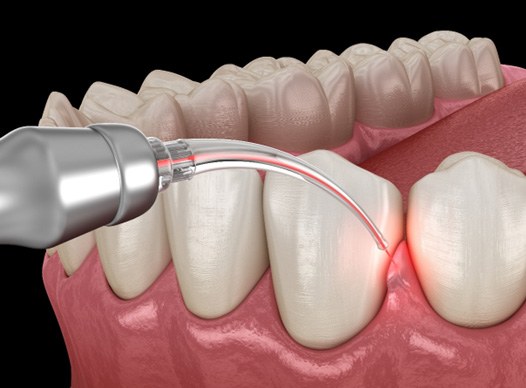
Laser Periodontal Treatment
Are you looking for an effective way to eliminate gum disease without more traditional invasive procedures? If so, our team at Moses Lake Family Dentistry uses advanced soft tissue laser technology to treat gum disease with efficiency. This procedure targets infected areas with precision, reducing discomfort and speeding up recovery.
Whether you’re dealing with mid-stage gingivitis or more advanced periodontitis, read more below to learn everything you need to know about this hi-tech solution for gum disease.
Read More
How Laser Periodontal Treatment Works
Laser periodontal treatment uses focused light energy to remove bacteria and infected tissue from around your teeth and gums, usually in conjunction with scaling & root planing.
Dr. Nick Smith carefully guides our Waterlase laser across infected areas to target damaged tissues and flush them simultaneously with water. The wavelength of the beam determines what it removes, effortlessly preserving as much healthy tissue as possible.
The laser also promotes natural healing by stimulating tissue regeneration and reducing inflammation. This precise, patient-friendly approach is excellent for those looking for a less invasive alternative to traditional gum surgery.
Say goodbye to anxiety-inducing instruments and itchy stitches!
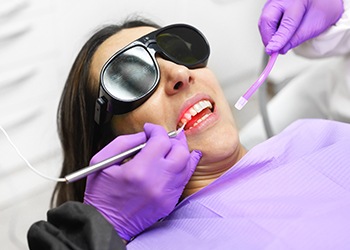
The Benefits of Laser Periodontal Treatment
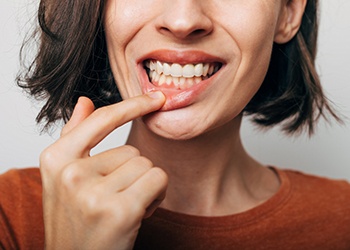
Laser periodontal therapy offers several key advantages over traditional methods, including:
- Minimally invasive techniques that are far more comfortable
- Less bleeding, swelling, and pain after treatment
- Faster healing through laser gum stimulation
- Reduced chance of infection because lasers kill bacteria on contact
- Targeted precision that keeps healthy tissue safe
At our Moses Lake dental office, our team uses this cutting-edge technique to help patients achieve healthier gums with minimal downtime, maximum comfort, and the greatest chance of success long-term.
Aftercare Tips for Laser Periodontal Treatment
Proper aftercare helps ensure a smooth recovery and lasting results. Here are a few tips from Dr. Nick Smith to keep your smile healthy and safe after your procedure:
- Eat bland foods for the first couple of days to avoid irritating your gums. Nothing spicy, acidic, or too hot or cold.
- Brush gently with a soft-bristled toothbrush and follow any rinsing instructions we provide.
- Avoid smoking, vaping, and alcohol, which can slow healing.
- Stay hydrated and maintain good oral hygiene to support recovery.
With good habits and smart choices, you’ll likely recover fully from your treatment in about a week’s time. If any discomfort persists after that time, we’ll schedule a follow-up appointment to assess your smile. Ready to recover from gum disease once and for all? Schedule a consultation with us today!