
Home / Teeth Whitening
Teeth Whitening in Moses Lake, WA
Tooth staining is one of the most common cosmetic concerns patients bring to Moses Lake Family Dentistry. Coffee, tea, red wine, tobacco, certain medications, and normal aging all contribute to teeth that are duller or more yellow than they once were. Professional whitening addresses these stains more effectively and in less time than over-the-counter products.
Dr. Nick Smith, DDS, offers professional teeth whitening at our Moses Lake office in two formats: custom take-home whitening trays and in-office whitening treatment. Both use professional-strength whitening gel that is not available in store products. The right option for you depends on your timeline, how sensitive your teeth are, and your budget.
Call 509-765-4351 to schedule a whitening consultation or to ask which format would work best for your situation. Before any whitening begins, Dr. Smith ensures your teeth and gums are healthy and that whitening is appropriate for your specific case.

Call 509-765-4351 to schedule your whitening consultation. Open from 7:00 AM most weekdays. Wednesday hours until 7:00 PM.
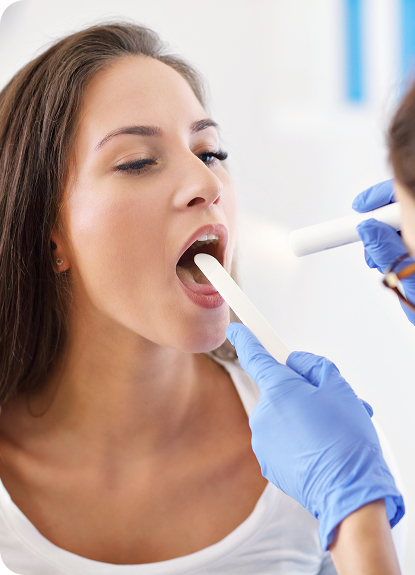
Professional Whitening vs. Store Products
The difference between professional whitening and store-bought kits comes down to the concentration of whitening agent and the quality of fit.
Store-bought strips and trays use a lower-concentration peroxide gel that must be kept safe for unsupervised use. They can produce modest lightening over several weeks but rarely achieve the same degree of whitening as a professional system. One-size trays also do not seal evenly around every tooth, which means the gel contacts some areas more than others.
Professional whitening systems use higher-concentration gel applied under dental supervision. Custom trays made from impressions of your actual teeth fit precisely, delivering gel evenly to every tooth surface. In-office whitening uses the highest-concentration professional gel for faster, more dramatic results in a single appointment.
For patients who have tried store products and been disappointed with the results, professional whitening is typically a different experience.
Whitening Options at Moses Lake Family Dentistry
Custom Take-Home Whitening Trays
Custom take-home trays are the most common whitening option at our office. Dr. Smith takes impressions of your teeth, which are used to fabricate trays that fit your mouth exactly. You receive professional-strength whitening gel with instructions on how to use the trays at home, typically for 30 to 60 minutes per session on a schedule Dr. Smith recommends based on your sensitivity and goals.
Take-home whitening produces gradual lightening over a period of two to four weeks. Many patients prefer this approach because it lets them control the pace, back off if sensitivity is an issue, and touch up as needed in the future using the same trays with additional gel.
The trays themselves are a long-term tool. Once made, they can be used for touch-up whitening for years. You only need to purchase replacement gel, not new trays.
In-Office Whitening
In-office whitening is performed at our Moses Lake office in a single appointment, typically taking about one hour. A higher-concentration whitening gel is applied directly to the teeth, with the gums protected by a barrier. The result is visible immediately after the appointment.
In-office whitening is a good option for patients who want faster results, such as those preparing for an event, or patients who prefer not to manage a home whitening routine over several weeks.
Some tooth sensitivity in the 24 to 48 hours following in-office whitening is common. Using a sensitivity toothpaste for one to two weeks before the appointment reduces the likelihood and severity of post-whitening sensitivity.
Who Is a Good Candidate for Whitening?
Professional whitening works on natural tooth enamel. It does not change the shade of crowns, veneers, bonding, or other dental restorations. If you have visible restorations on your front teeth, whitening the natural teeth around them will create a shade difference. This is an important planning consideration.
Whitening is most effective on yellowing caused by food, beverages, tobacco, and age. It is less effective on gray or brown staining caused by certain antibiotics (particularly tetracycline) or by tooth trauma. For these types of discoloration, veneers or bonding may be a better solution. Dr. Smith evaluates the type of staining at your consultation and tells you what whitening is likely to achieve.
Teeth with active cavities or gum disease should be treated before whitening begins. Whitening gel applied to teeth with untreated decay is uncomfortable and potentially damaging. Healthy teeth and gums are the foundation for a good whitening outcome.
Whitening Before Other Cosmetic Work
If you are planning additional cosmetic procedures such as veneers, bonding, or a crown on a visible tooth, whitening should happen first. The shade of dental restorations is set at the time they are made and cannot be changed afterward. If you whiten after a veneer is placed, the natural teeth around it will lighten but the veneer will not, creating a mismatch.
The right sequence is: whiten first, then have your restorations shade-matched to the whiter result. Dr. Smith plans this sequence at your consultation when both whitening and other cosmetic work are part of the plan.

How to Maintain Whitening Results
Whitening results are not permanent. Teeth continue to accumulate staining from diet and daily habits. Most patients find their results last anywhere from several months to a couple of years before a touch-up is needed.
Limiting coffee, tea, red wine, and tobacco extends the time between touch-ups. Rinsing with water after consuming staining beverages helps. Brushing twice daily and attending regular cleanings at our office removes surface staining before it accumulates. Touch-up whitening with the custom trays and additional gel is straightforward and much less involved than the original treatment.
Who Is a Good Candidate for Whitening?
Professional whitening works on natural tooth enamel. It does not change the shade of crowns, veneers, bonding, or other dental restorations. If you have visible restorations on your front teeth, whitening the natural teeth around them will create a shade difference. This is an important planning consideration.
Whitening is most effective on yellowing caused by food, beverages, tobacco, and age. It is less effective on gray or brown staining caused by certain antibiotics (particularly tetracycline) or by tooth trauma. For these types of discoloration, veneers or bonding may be a better solution. Dr. Smith evaluates the type of staining at your consultation and tells you what whitening is likely to achieve.
Teeth with active cavities or gum disease should be treated before whitening begins. Whitening gel applied to teeth with untreated decay is uncomfortable and potentially damaging. Healthy teeth and gums are the foundation for a good whitening outcome.
Cost and Insurance
Professional teeth whitening is considered a cosmetic procedure. Dental insurance, including Delta Dental, does not typically cover whitening costs. The out-of-pocket cost for take-home whitening at Moses Lake Family Dentistry is lower than many patients expect. In-office whitening costs more than take-home but produces faster visible results.
Dr. Smith provides a cost estimate at your consultation. Cherry financing is available for patients who want to manage whitening costs alongside other cosmetic procedures.
Frequently Asked Questions About Teeth Whitening
Does whitening cause tooth sensitivity?
Temporary sensitivity is the most common side effect of professional whitening. It typically occurs during the whitening sessions and in the 24 to 48 hours after in-office treatment. Using a sensitivity-formulated toothpaste for one to two weeks before whitening reduces this significantly. For take-home whitening, shortening the tray wear time per session can manage sensitivity if it occurs. The sensitivity resolves on its own.
How white can my teeth get?
The degree of whitening depends on the starting shade of your teeth and the type of staining present. Yellowish staining from beverages and age responds well and can lighten substantially. Gray or brown staining from other causes responds less predictably. Dr. Smith gives you a realistic expectation at the consultation based on an examination of your current shade and the type of staining.
Can whitening damage my teeth?
Professional whitening performed on healthy teeth under dental supervision is safe. The whitening agents temporarily open enamel pores to lift staining, then close as the gel is neutralized. The tooth structure itself is not permanently altered. Overuse of whitening products or using very high concentrations without supervision can cause sensitivity and gum irritation. Professional supervision prevents this.
How long do whitening results last?
Most patients see their whitening results last several months to a couple of years. Diet, oral hygiene habits, and tobacco use are the main factors. Regular touch-ups with custom trays and additional gel can maintain results indefinitely with a small ongoing investment.
I have crowns or veneers. Can I still whiten?
Yes, with an important caveat. Whitening gel works only on natural tooth enamel and will not change the shade of crowns, veneers, fillings, or bonding. If your restorations are a different shade than your natural teeth, whitening may make that difference more visible. Dr. Smith reviews your existing restorations at the consultation and tells you whether whitening is a good fit for your situation.
Call 509-765-4351 to schedule your whitening consultation at Moses Lake Family Dentistry. We offer both in-office and custom take-home options. Open from 7:00 AM most weekdays.